Our projects
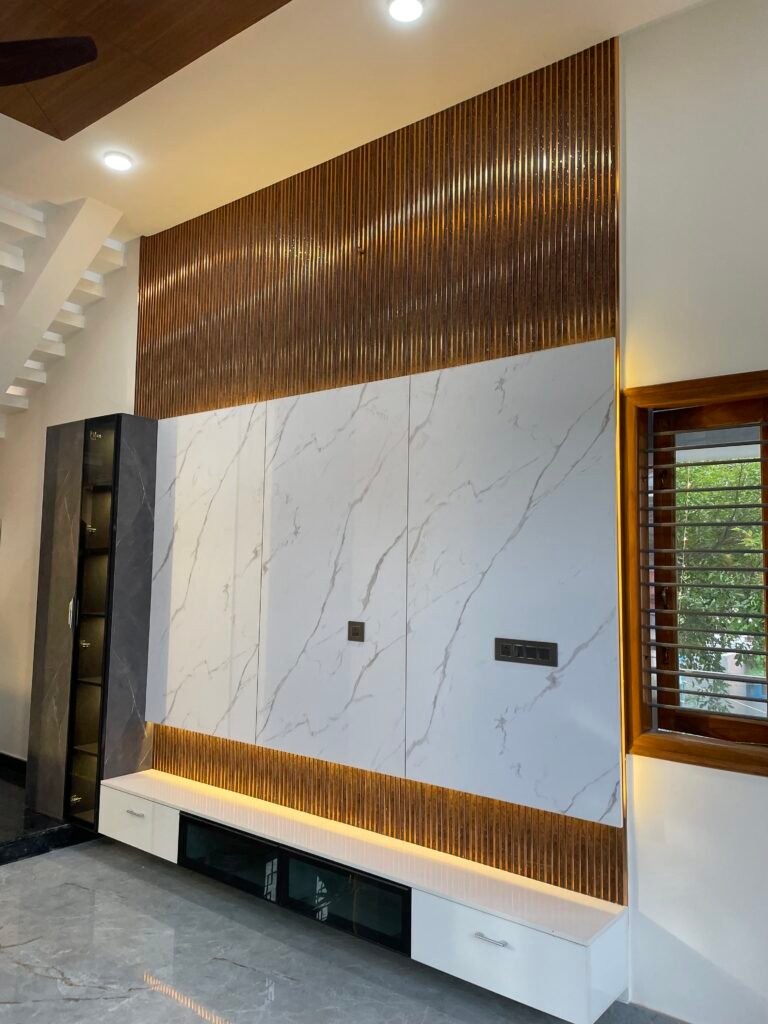
Designing Spaces That Work: The Science Behind Great Interiors- Mr Chetan, RR Nagar
A well-designed space is not just visually appealing—it enhances productivity, comfort, and functionality. At Spaze Ratiio Group, interior design is approached as a balance between aesthetics and purpose.
Understanding User Behavior
Every space is built for people. Whether it’s a home, office, or retail outlet, understanding how individuals interact with their environment is critical. Layout planning, movement flow, and ergonomics are key factors that determine how effective a design will be.
The Role of Materials and Lighting
Materials define the texture and tone of a space. Natural materials like wood and stone create warmth, while metals and glass bring a modern edge. Lighting, both natural and artificial, influences mood and usability. Strategic lighting design can make small spaces appear larger and highlight key elements of the design.
Function Meets Aesthetics
A beautiful space that lacks functionality fails its purpose. Storage solutions, furniture placement, and spatial zoning ensure that design complements everyday use. The goal is to create spaces that are both elegant and practical.
Personalization is Key
Every client has a unique vision. Customization—through colors, materials, and layouts—ensures that each project reflects the personality and needs of the user.
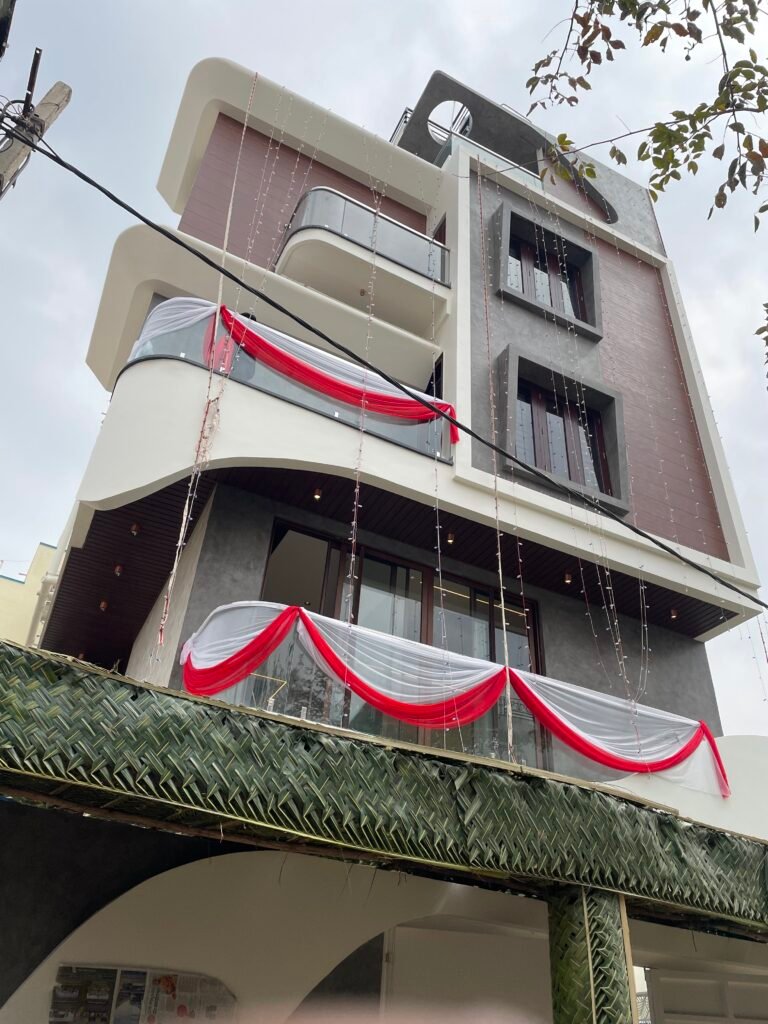
Architecture That Inspires: Blending Creativity with Functionality- Mr - Ramesh, Ullal
Architecture shapes the way we live, work, and interact. It is a blend of art, science, and innovation—something that Spaze Ratiio Group integrates into every project.
The Importance of Concept Design
Every architectural project begins with a concept. This stage defines the vision, style, and purpose of the structure. Whether it’s modern minimalism or traditional elegance, the concept sets the direction for the entire project.
Space Optimization
Efficient use of space is a hallmark of good architecture. Smart planning ensures maximum utilization without compromising comfort or aesthetics.
Structural Integrity
While design is important, safety and durability are paramount. Proper engineering, compliance with regulations, and robust construction techniques ensure long-lasting structures.
Integration with Environment
Architecture should complement its surroundings. Climate, location, and landscape play a crucial role in determining design choices. Sustainable architecture focuses on reducing environmental impact while enhancing user comfort.
Future-Ready Designs
Modern architecture anticipates future needs. Flexible layouts, smart home integration, and adaptive spaces ensure that buildings remain relevant over time.
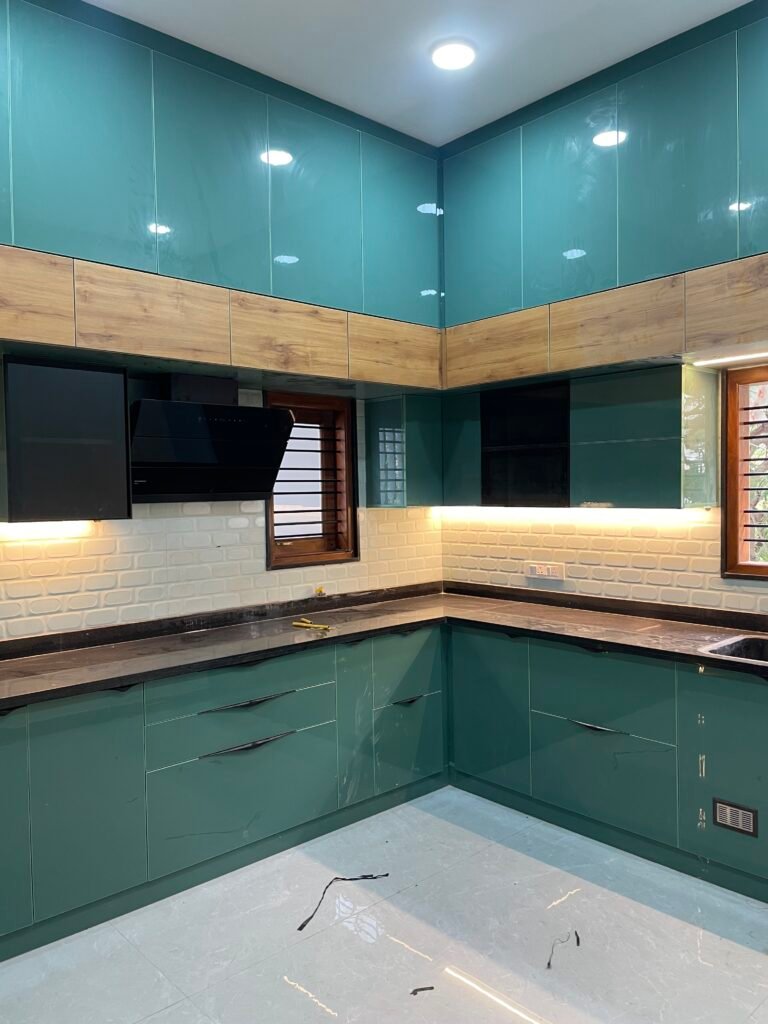
Designing Spaces That Perform: The Strategy Behind Exceptional Interiors- Mr Madhusudhan, RR Nagar
A well-designed space goes beyond visual appeal—it enhances how people live, work, and interact within it. At its core, great interior design is a thoughtful combination of functionality, psychology, and aesthetics.
Designing Around Human Behavior
Every space is created for a purpose, and that purpose revolves around people. Understanding movement patterns, daily routines, and user needs helps in crafting layouts that feel natural and efficient. When design aligns with behavior, spaces become intuitive rather than restrictive.
The Power of Materials and Light
Materials influence both the look and feel of an interior. Natural elements add warmth and comfort, while sleek finishes create a modern, refined atmosphere. Lighting plays an equally important role—natural light energizes a space, while artificial lighting can be layered to create depth, focus, and mood.
Balancing Function with Style
Design is not just about appearance. Storage solutions, furniture placement, and space planning ensure that every element serves a purpose. A successful interior seamlessly blends practicality with visual harmony.
Tailored to Individual Needs
No two clients are the same, and neither should their spaces be. Personalization through colors, textures, and layouts ensures that each environment reflects the identity and lifestyle of its users.
Creating Lasting Impact
Great interiors are timeless. By focusing on quality, adaptability, and thoughtful design choices, spaces can remain functional and relevant for years to come.
This approach transforms interiors into more than just spaces—they become experiences that support and enhance everyday life.
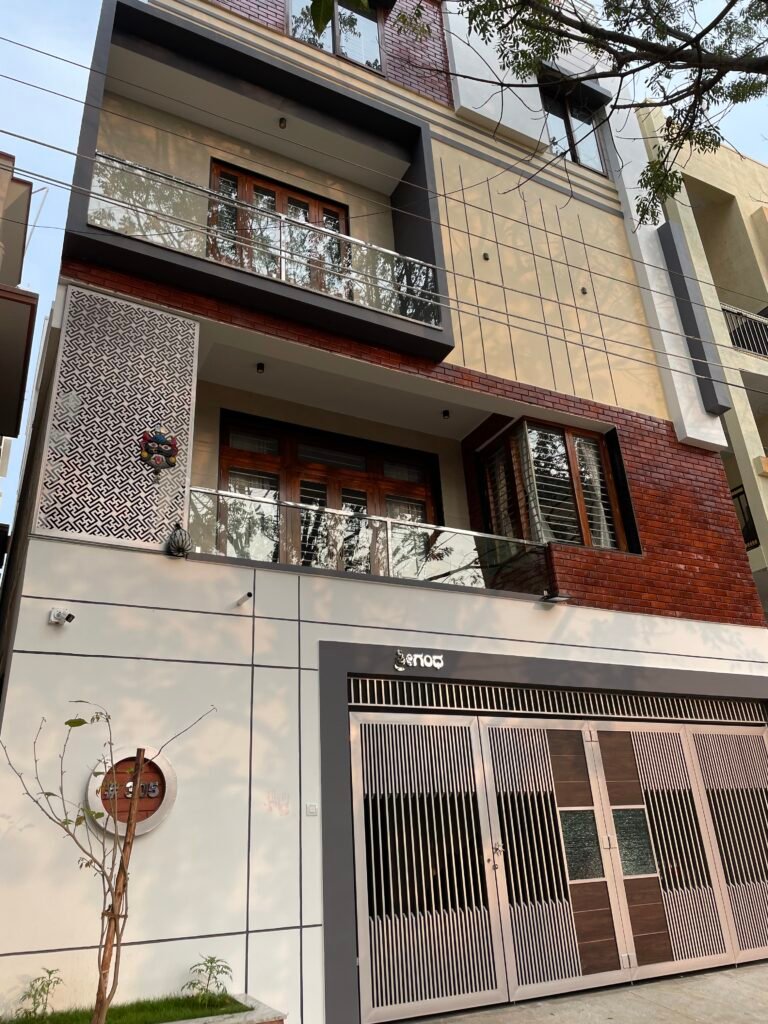
Architecture Beyond Buildings: Creating Meaningful Spaces- Mr Rajesh, Ullal
Architecture is more than the construction of structures—it is the art of shaping environments that influence how people live, work, and connect. Thoughtful architecture combines creativity, technical precision, and a deep understanding of human needs.
Designing with Purpose
Every architectural project begins with a clear purpose. Whether it is a residence, commercial space, or public infrastructure, the design must reflect its intended use. A well-planned structure ensures smooth movement, efficient use of space, and a seamless user experience.
Form and Function in Harmony
Striking architecture is not just about bold designs—it is about balance. The form of a building should complement its function. Clean layouts, practical floor plans, and intelligent zoning create spaces that are both visually appealing and highly functional.
Responding to the Environment
Architecture does not exist in isolation. Climate, location, and surroundings play a critical role in shaping design decisions. Proper orientation for natural light, ventilation strategies, and material choices help create energy-efficient and sustainable buildings.
Innovation and Modern Technology
Advancements in technology have transformed architecture. Tools like 3D visualization, smart systems, and advanced construction techniques allow architects to design with greater accuracy and flexibility. These innovations also help in reducing errors and improving project timelines.
Sustainability as a Core Principle
Modern architecture prioritizes sustainability. Incorporating eco-friendly materials, energy-efficient systems, and water management solutions ensures that buildings minimize their environmental impact while maximizing long-term value.
Designing for the Future
Good architecture stands the test of time. Flexible layouts, scalable designs, and future-ready infrastructure ensure that spaces can adapt to changing needs without requiring major transformations.
Architecture ultimately shapes experiences. When done right, it creates spaces that are not only functional and durable but also inspiring and meaningful.